
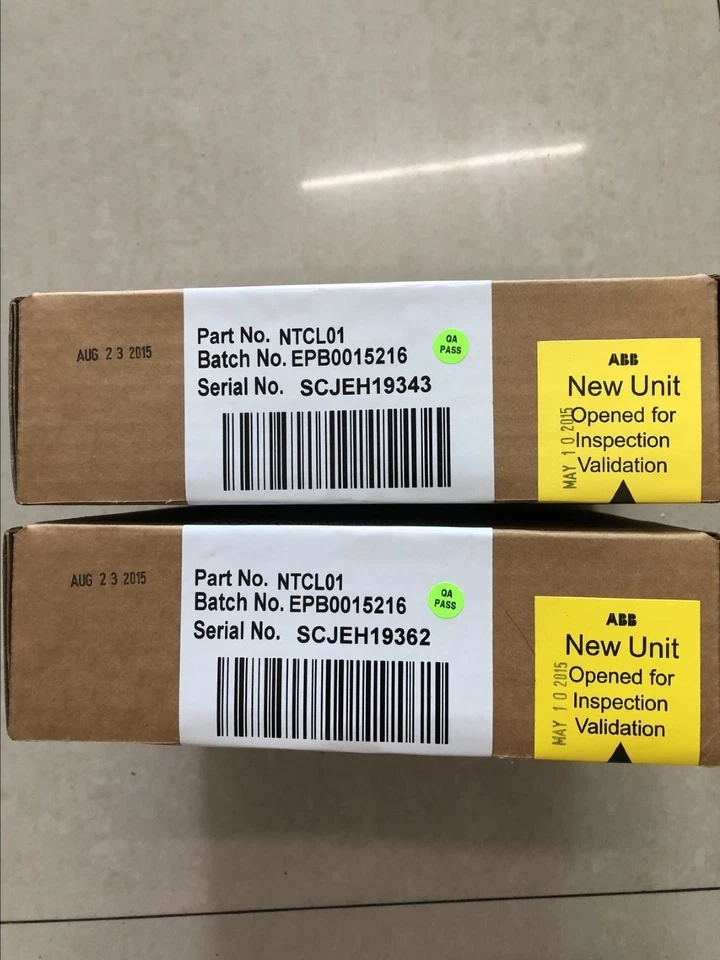
ABB NTCL01 Module: Comparison Between Old and New Models
ABB NTCL01 Module: Comparison Between Old and New Models
The ABB NTCL01 module is a critical component in industrial automation systems, ensuring reliable communication, precise input/output control, and seamless integration with ABB PLCs. Over time, ABB has released updated versions of the NTCL01, enhancing performance, reliability, and compatibility. Understanding the differences between older and newer models is essential for engineers, system integrators, and maintenance teams to optimize operational efficiency, reduce downtime, and maintain consistent process control. This comprehensive guide explores technical specifications, performance improvements, maintenance considerations, and practical applications of the NTCL01 module.
Overview of NTCL01 Module
The NTCL01 module serves as a versatile I/O interface, handling both digital and analog signals. Its modular design facilitates installation in industrial racks, providing easy replacements and upgrades. Key features include:
-
High-speed signal processing for industrial automation networks
-
Compatibility with ABB PLCs and distributed control systems
-
Compact and durable construction for demanding industrial environments
-
Flexible configuration options to meet diverse automation requirements
A clear understanding of the module’s baseline capabilities allows for better evaluation of newer models.
Evolution and Upgrades in NTCL01
ABB continually improves its modules to meet industry demands. The new NTCL01 version introduces several significant upgrades:
-
Enhanced Signal Accuracy: Faster data processing and reduced latency
-
Improved Reliability: Robust components and advanced thermal management reduce failures
-
Expanded Compatibility: Supports additional PLC models and communication protocols
-
Simplified Maintenance: Modular design allows quick access to connectors and components
These upgrades address common issues found in older models, including delayed signals, integration challenges, and maintenance difficulties.
Technical Specifications: Old vs New NTCL01
A detailed comparison of technical specifications highlights improvements in the latest NTCL01 module:
| Feature | Old NTCL01 | New NTCL01 |
|---|---|---|
| Input/Output Channels | 8 DI, 4 AI | 12 DI, 6 AI |
| Response Time | 20ms | 10ms |
| Operating Temperature | -10°C to 55°C | -20°C to 60°C |
| Power Consumption | 15W | 10W |
| Network Support | Limited PLCs | Expanded PLC and protocol support |
| Maintenance | Standard access | Modular, tool-less connectors |
These enhancements improve reliability, speed, and integration flexibility, enabling better performance across industrial applications.
Installation Differences
Both old and new NTCL01 modules fit standard ABB racks, but the updated design emphasizes convenience and efficiency:
-
Tool-Free Connectors: Streamlined installation reduces setup errors
-
Enhanced Slot Alignment: Ensures secure connections and prevents misalignment
-
LED Status Indicators: Provide instant operational feedback for diagnostics
Engineers and technicians will notice improved ergonomics and faster deployment with the new module.
Maintenance Practices
Regular maintenance ensures long-term performance and system reliability. Recommended practices for NTCL01 modules include:
-
Visual Inspections: Check for dust, corrosion, or loose connectors
-
Firmware Updates: Keep modules updated to maintain performance and compatibility
-
Environmental Monitoring: Verify temperature, humidity, and airflow conditions
-
Cleaning Procedures: Remove dust and debris with care to protect sensitive components
The new modular design simplifies access, reducing downtime during servicing.
Common Issues and Troubleshooting
Even high-quality modules may encounter occasional problems. Common issues include:
-
Communication Errors: Often caused by loose connections or outdated firmware
-
Signal Delays or Loss: May result from cable damage or electrical interference
-
Power Instability: Can trigger unexpected resets or malfunctions
-
Component Degradation: Over time, connectors or circuitry may require replacement
Effective troubleshooting involves verifying power supply, inspecting connections, updating firmware, and functional testing.
Real-World Applications
NTCL01 modules play a pivotal role in various industrial applications:
-
Automation Systems: Manage complex input/output operations and PLC communications
-
Process Control: Deliver accurate and timely measurements for optimized operations
-
Energy Management: Monitor and control electrical systems with high precision
-
Safety Systems: Enable dependable emergency shutdowns and system monitoring
Organizations upgrading to the new NTCL01 module report improved reliability, reduced downtime, and streamlined system integration.
Conclusion
The ABB NTCL01 module remains essential in modern industrial automation. Comparing old and new models highlights significant improvements in speed, reliability, maintenance, and compatibility. Engineers and technicians benefit from enhanced performance, reduced operational risks, and easier integration. Understanding these differences ensures optimal deployment, system stability, and long-term reliability for industrial processes.
